
Hamtramck Previous Residents by Era
Previous residents leave different kinds of records in different eras. A current parcel card is the practical starting point, but it does not replace a deed or a household listing. Wayne County's online land-record search is stated to reach post-1986 documents. Older land books and office records remain the route when the web index stops. For people at an address, use city or reverse directories as dated snapshots, then test a name against the federal census near that publication date. Keep owner, recorded party, and directory occupant in separate columns.
| Source | Years It Covers | Where Held | What It Shows |
|---|---|---|---|
| Register of Deeds web index | Post-1986 stated coverage | Wayne County Land Records | Recorded instruments, grantors, grantees, and legal-description clues |
| Wayne deed books and office records | Land-record history stated from 1703 | Wayne Register of Deeds | Earlier transfers, liber/page references, plats, liens, and mortgages |
| Hamtramck directory leads | 1918, 1934-35, 1954, 1957 | Library and genealogy leads | Address and name snapshots from a publication year |
| Federal census | 1790-1950 public | National Archives and library databases | Household composition, relationships, birthplace, and enumeration context |
| Local permits | Published historical start not located | Hamtramck Building Department and BS&A routes | Project, applicant, owner, inspection, and alteration clues |
Begin with the era you can document. For a recent transfer, start with the parcel and deed. For a mid-century household question, begin with a directory and census pairing. For an earlier structure question, add maps and plats before assuming a modern street number identifies the same place.
Record the source's own date and wording before moving to the next layer. A recorded instrument can point to an earlier event, while an assessor card reflects a current reference record. The trail is strongest when each link says whether it is a deed, map, directory, census, permit, or estate record.
Freeze the Hamtramck Parcel First
Use the Hamtramck BS&A search to capture the current situs address, parcel number, location ID, owner line, legal description, and relevant tax or building-tab date. The public landing page accepts address, owner name, and parcel number. Its sample card shows why the parcel is the useful anchor: it presents a parcel number, location ID, situs address, owner, property class, building details, assessed and taxable values, and linked tabs. Those fields help distinguish a place from a similar street address.
An assessor mailing address is where notices go, not proof that a person is present at the parcel. Treat it as a record clue only. Save the source date too, since values, owners, and address records can change after a transfer.
Record-reading tip. The sample BS&A card is useful for learning its field layout, but its visible details describe that sample parcel, not every Hamtramck address.
Trace Hamtramck Past Owners
Recorded deeds form the backward title trail. The Register describes its office as a library of land records, and the county says nearly 900,000 parcels are represented. Start with the current owner as grantee, locate the purchase document, record its legal description and seller, then look for that seller as an earlier grantee. A shared name is not enough. Match lot, block, subdivision terms, document date, and the legal description before calling two deeds part of one chain.
- Record the modern parcel, legal description, and current owner from the Hamtramck assessment record.
- Search the owner as grantee in the Wayne land-record index and identify the purchase deed.
- Copy the grantor, recording date, document or liber/page reference, and legal-description terms.
- Search that grantor as a prior grantee, carrying the lot and block terms backward at each turn.
- When the online period ends, request older book or office help rather than treating the web result as a complete chain.
- Grantor / grantee
- The grantor transfers an interest. The grantee receives it in the recorded document.
- Chain of title
- The linked sequence of recorded transfers for the same parcel or legal description.
- Legal description
- The lot, block, subdivision, or other land wording that identifies the parcel more reliably than an old street number.
- Liber / page
- An older book-and-page reference used to locate a recorded instrument.
Hamtramck Deeds Beyond the Web
The online boundary matters. Wayne County states post-1986 coverage for the web search, while the office describes a much longer land-record history. Earlier work may require deed books, office copies, or staff-assisted liber/page research. The Register's current page also says appointments have been required for in-person service since October 1, 2025. It lists 20-minute appointments for up to five documents and 45-minute appointments for five to 25 documents. Check the office notice before making a trip.
Current recording information lists a $26 base fee plus a $4 state survey/remonumentation fee where applicable, described as $30 total. That notice concerns recording, not a promise about every research copy or historical retrieval. The portal's account and copy terms, office staff, and older books are separate access channels. Note: A deed may be signed before it is recorded, so preserve the date label supplied by the document.
Wayne’s Fraud Guard adds a current safeguard to the deed stage. The official signup uses a monitored name, two confirmation emails, and an alert when a document is recorded under that name. It does not replace the deed-chain review, but it gives an owner a way to notice an unexpected recording and then verify the document with the Register of Deeds. The county lists a property-fraud complaint route at (313) 224-5869. Keep the alert date separate from a deed’s execution and recording dates.
Hamtramck Addresses Need Context
Old record labels do not always use modern municipal wording. Hamtramck Township was established in 1798, the village followed in 1901, and the city incorporated in 1922. Master Plan maps mark 1860, 1893, 1904/1920, and 1937 development eras. A record near the present city edge may instead use township, village, Wayne County, or nearby Detroit wording. Compare the map era and legal description before merging two similar addresses.
A regional number change is another trap. The Jewish Historical Society of Michigan's digitized 1907 directory has both original and post-1921 house-number fields for Detroit. That is a reason to test variants when a source suggests a change, not proof that Hamtramck adopted the same renumbering. Preserve the number printed in each source, then record any modern normalization separately.
Hamtramck Past Residents in Print
Who lived here before is a household question, not just a title question. A reverse or criss-cross directory converts an address into a person clue; an alphabetical directory does the reverse. The identified Hamtramck leads are 1918, 1934-35, 1954, and 1957, but a complete local run and last printed year were not verified. The Hamtramck city directories route identifies the historical collections without turning a one-year entry into a continuous occupancy claim.
Pair a directory date with the nearest public census schedule. The 1910, 1920, 1930, 1940, and 1950 schedules can test spelling, relationships, and household composition. Publication, enumeration, and move dates are different dates. A directory's owner mark is not a deed, and a deed grantee is not proof that a person was at the address when a directory was compiled.
Household flow: address and number variant → reverse directory snapshot → alphabetical entry and spelling variants → nearest census schedule → deed date and legal description → obituary or probate confirmation.
Burton's regional directory runs can supply useful comparison material, but a Detroit entry is not automatically a Hamtramck entry. Confirm the jurisdiction and street before treating it as the same household.
Hamtramck House-History Layers
Deeds establish recorded transfers. Other records date the building and add context. The Burton Historical Collection's research resources bring together city directories, land transfers, maps, newspapers, vital indexes, cemetery material, naturalization, and probate. Digital Sanborn Maps are available onsite through Burton for 1867-1970, although the exact Hamtramck sheet years and numbers were not verified in the source capture. Search both Hamtramck and the surrounding Detroit map index.
Explore the Burton Historical Collection research resources before selecting a record series for a former household.
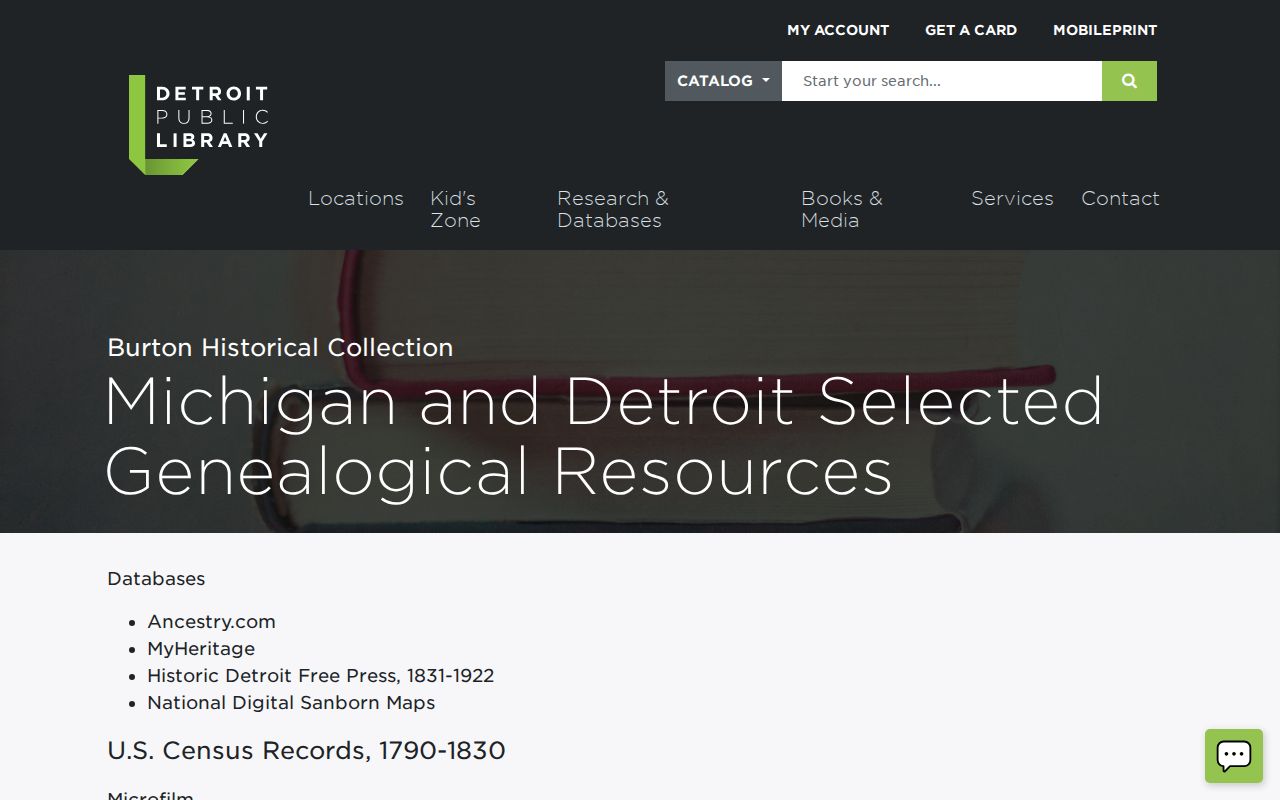
The Burton route separates maps, directories, land material, and probate instead of implying a single complete record for every Hamtramck address.
Permits add a different layer. The city lists project address, applicant and owner blocks, inspection and approval fields on its current forms, but no complete public historical result index was located. A permit can date a project or alteration; it cannot by itself name everyone associated with an address at that moment.
The Detroit Public Library Digital Collections also provides a searchable route into digitized local material.
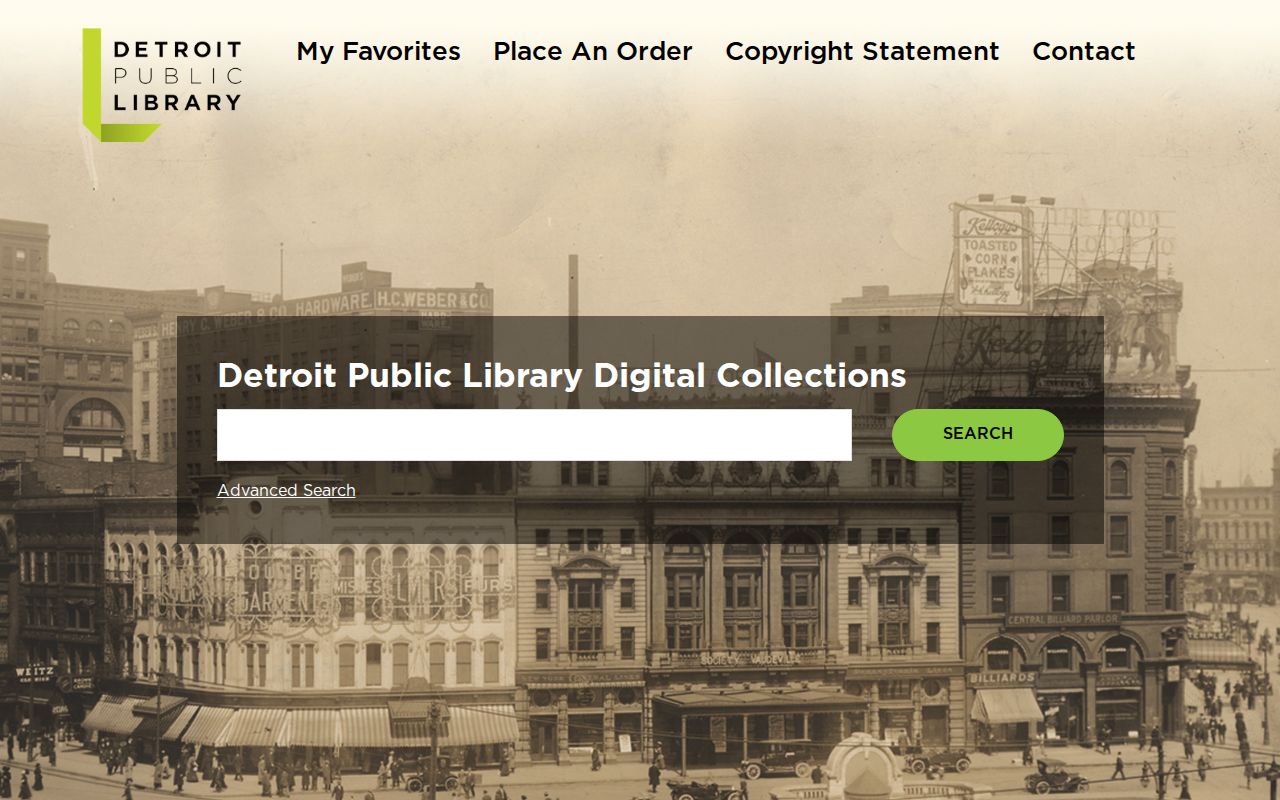
Use a collection item as a dated source and record its description, repository, and any visible identifier alongside the address trail.
Hamtramck Previous Residents Endpoints
Obituaries, cemetery material, and probate files can close a former-household trail. A death notice may name a spouse, children, church, funeral home, or last address. Probate can identify heirs, an executor, property, and an estate connection, though a file may be limited. Wayne Probate Court provides a current electronic docket route, while Burton and the Archives of Michigan describe older Wayne estate and probate groups. Use those records as corroboration, not as a reason to fill a gap by guesswork.
The Merique scrapbook index is another documented route when a newspaper image is unavailable. Burton states that it indexes people, churches, events, weddings, anniversaries, and Hamtramck Citizen references; its copy service is $15 for up to three articles and allows one to two weeks. Note: A newspaper mention supports a dated event, not an unbroken address history.
Lawful use. Hamtramck house-history research is for family history, estate questions, local history, and personal curiosity. Do not use address details to watch, contact, harass, or harm a living person.